


A Healthy Smile Begins with the Right Dentist

Have you ever wondered why some people absolutely dread going to the dentist while others breeze through their appointments without a care? Could the difference simply come down to finding the right dental professional? And what exactly makes one dentist better suited to your needs than another?
Choosing a dentist is one of those decisions we often don't give much thought to until we're in pain or facing a dental emergency. Yet this choice can genuinely shape your oral health journey for years to come. The right dentist doesn't just fix problems—they help prevent them, put you at ease, and become a trusted partner in maintaining your overall wellbeing.
In this guide, we'll explore everything you need to know about finding and working with the perfect dentist for you. From understanding what qualities to look for, to navigating costs and overcoming dental anxiety, you'll discover practical tips to make your dental care experience as positive as possible. Whether you're new to an area, unhappy with your current provider, or simply haven't visited a dentist in years, this article will give you the confidence to take that first step towards a healthier smile.

What Makes a Good Dentist? Key Qualities to Look For
Professional Qualifications and Experience
When searching for a dentist, qualifications should be your starting point. In Australia, all practising dentists must be registered with the Dental Board of Australia and hold recognised qualifications. This ensures they've completed rigorous training and meet ongoing professional standards.
Beyond basic qualifications, consider their experience with specific treatments you might need. Some dentists focus on general practice, while others have additional training in areas like orthodontics, cosmetic dentistry, or paediatric care. Don't hesitate to ask about their background—a good dentist will happily share their expertise.
Communication Style and Chairside Manner
Technical skills matter, but so does how your dentist communicates with you. Do they explain procedures clearly? Do they listen to your concerns without rushing? A dentist who takes time to answer questions and makes you feel heard can transform your entire dental experience.
Pay attention to how the whole team interacts with you, from reception staff to dental nurses. A warm, welcoming environment often reflects the practice's overall approach to patient care.
Modern Equipment and Treatment Options
Dental technology has advanced remarkably in recent years. Practices with up-to-date equipment can often provide more comfortable, efficient treatments. Digital X-rays, for instance, use less radiation and provide instant results, while modern anaesthetics make procedures virtually painless.
Look for practices that invest in their facilities and offer a range of treatment options. This shows commitment to providing the best possible care.
How Do I Find a Dentist Near Me?
Using Online Directories and Reviews
The internet makes finding local dentists easier than ever. Websites like Healthdirect, the Australian Dental Association's "Find a Dentist" tool, and Google Maps can help you locate practices nearby. Online reviews offer insights into other patients' experiences, though take individual reviews with a pinch of salt.
Look for patterns in feedback rather than focusing on single comments. Consistent praise for friendly staff or thorough explanations is a good sign.
Asking for Recommendations from Friends and Family
Word of mouth remains one of the most reliable ways to find a great dentist. Ask friends, family members, or colleagues about their experiences. Personal recommendations often reveal details you won't find online, like how the practice handles nervous patients or whether they're good with children.
Checking Dental Board Registrations in Australia
Before committing to a dentist, verify their registration through the Australian Health Practitioner Regulation Agency (AHPRA) website. This confirms they're legally permitted to practise and haven't faced any disciplinary action. It takes just minutes and provides peace of mind.
What Should I Expect at My First Dental Appointment?
The Initial Consultation Process
Your first visit typically begins with paperwork—medical history forms, contact details, and information about any existing dental concerns. The practice will want to understand your overall health, as conditions like diabetes or heart disease can affect dental treatment.
Don't worry about the state of your teeth. Dentists have seen it all, and their goal is to help, not judge.
Understanding Your Dental Health Assessment
Expect a thorough examination of your teeth, gums, and mouth. The dentist will likely take X-rays to spot issues not visible to the naked eye, such as decay between teeth or problems below the gum line. They'll check for signs of gum disease, oral cancer, and other conditions.
Discussing Treatment Plans and Costs
After the examination, your dentist will discuss their findings and recommend any necessary treatments. A good practice will provide clear cost estimates upfront and explain your options. There's no obligation to proceed immediately—take time to consider your choices.
How Often Should I Visit the Dentist?
Recommended Check-Up Frequency for Adults
Most adults benefit from dental check-ups every six to twelve months. Your dentist will recommend a schedule based on your individual needs. Those with excellent oral health might manage with annual visits, while others may need more frequent appointments.
Children's Dental Visit Guidelines
Children should see a dentist by their first birthday or within six months of their first tooth appearing. Regular visits from an early age help establish good habits and catch problems early. Many practices specialise in making dental visits fun for young patients.
Signs You Need to Book an Appointment Sooner
Don't wait for your scheduled check-up if you experience tooth pain, bleeding gums, sensitivity to hot or cold, or any unusual lumps or sores. These symptoms warrant prompt attention to prevent small issues becoming major problems.
How Much Does a Dentist Cost in Australia?
Understanding Private Health Insurance and Dental Cover
Private health insurance extras cover can significantly reduce dental costs. Most policies cover preventative treatments like check-ups and cleans, with varying levels of coverage for major dental work. Check your policy details and annual limits before booking.
Medicare and Public Dental Services
Medicare generally doesn't cover dental treatment, though some exceptions exist for specific medical conditions. Public dental services are available in each state for eligible patients, including concession card holders and children. Waiting times can be lengthy, so plan ahead if using public services.
Payment Plans and Affordable Dental Care Options
Many practices offer payment plans to spread costs over time. Some partner with services like Afterpay or offer in-house financing. Don't let cost concerns prevent you from seeking care—discuss options with your dental practice, as they often have solutions to make treatment accessible.
What Questions Should I Ask My Dentist?
Questions About Treatment Options
Ask about alternatives for recommended treatments. What are the pros and cons of each option? What happens if you delay treatment? Understanding your choices helps you make informed decisions about your care.
Questions About Preventative Care
Your dentist can provide personalised advice on brushing techniques, flossing, diet, and other factors affecting your oral health. Ask what you can do at home to prevent problems and maintain your smile between visits.
Questions About Emergency Dental Services
Find out how the practice handles emergencies. Do they offer after-hours care? What should you do if you experience severe pain or trauma outside normal hours? Knowing this information before you need it can save stress during a dental emergency.
How to Overcome Dental Anxiety and Fear
Choosing a Dentist Who Specialises in Nervous Patients
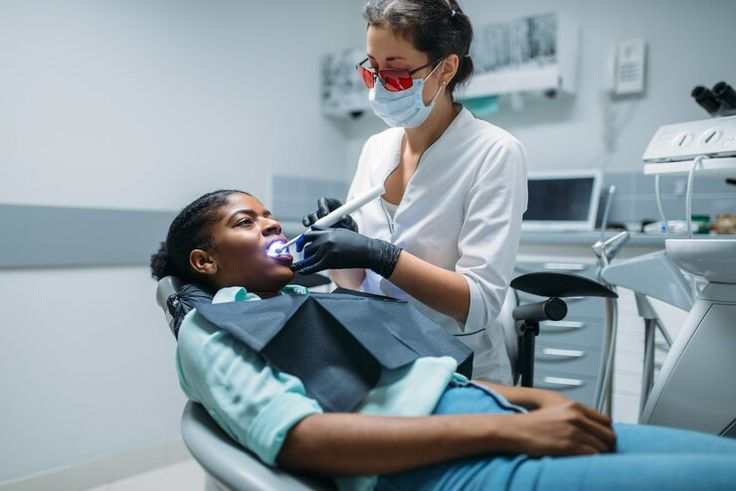
Dental anxiety is incredibly common—you're definitely not alone. Many practices specifically cater to anxious patients, offering longer appointments, gentle approaches, and extra time to build trust. Look for dentists who advertise experience with nervous patients.
Sedation Dentistry Options
For those with severe anxiety, sedation options can make treatment possible. These range from mild sedatives to help you relax, through to general anaesthesia for complex procedures. Discuss available options with your dentist to find what suits your needs.
Building Trust with Your Dental Team
Trust develops over time. Start with a simple consultation rather than jumping straight into treatment. Communicate your fears openly—a good dental team will work with you to make each visit more comfortable than the last.
Taking the First Step Towards a Healthier Smile
Finding the right dentist can genuinely transform your relationship with dental care. From the moment you walk through the door, the right practice will make you feel welcomed, respected, and confident in the care you're receiving. Remember, this is a partnership—your dentist provides expertise and treatment, while you maintain good habits at home and communicate openly about your needs.
We've covered a lot of ground, from identifying qualities that matter in a dental professional to navigating costs and overcoming anxiety. The key takeaway? Don't settle for a dentist who doesn't feel right for you. Your comfort and confidence matter, and plenty of wonderful dental professionals out there would love to help you achieve optimal oral health.
So, what's stopping you from making that appointment? Whether it's been six months or six years since your last visit, today is a brilliant day to take that first step. Your future self—and your smile—will thank you for it.


Comments