


Best Practices for Printer Cartridge Disposal

Ever wondered what happens to your empty printer cartridges once you toss them in the bin? Have you considered how many cartridges end up in landfill each year across Australia? And more importantly, do you know there's a better way to handle these everyday items?
Printer cartridges are one of those things we don't think about until they run out. Then, we're left staring at an empty plastic container, unsure of what to do with it. The truth is, how we dispose of these cartridges matters more than most people realise. With millions of cartridges sold in Australia annually, the environmental impact of improper disposal adds up quickly.
In this guide, we'll walk you through everything you need to know about disposing of printer cartridges responsibly. You'll learn about different cartridge types, why chucking them in the rubbish isn't ideal, and where to find recycling options near you. We'll also explore refilling options, business solutions, and how many times cartridges can actually be recycled. By the end, you'll have all the knowledge you need to make sustainable choices with your empty cartridges.
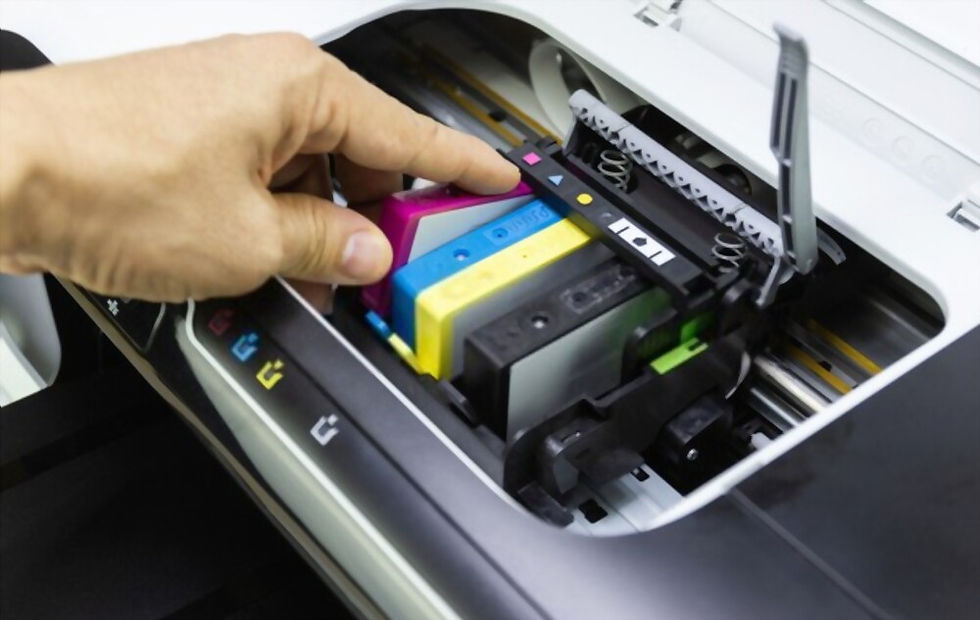
Understanding Printer Cartridge Types
Before diving into disposal methods, it helps to understand what you're actually dealing with. Not all printer cartridges are created equal, and knowing the difference affects how you should handle them.
Inkjet Cartridges vs Toner Cartridges
Inkjet cartridges contain liquid ink and are typically found in home printers. They're smaller, lighter, and usually made of plastic with an integrated print head. Toner cartridges, on the other hand, use powdered ink and are common in laser printers. These are larger, heavier, and contain more complex components including drums and rollers.
Both types require proper disposal, but toner cartridges particularly need careful handling due to the fine powder inside. If you've ever accidentally opened a toner cartridge, you'll know that powder gets everywhere and isn't great for your health or your carpet.
OEM, Compatible, and Remanufactured Cartridges
OEM (Original Equipment Manufacturer) cartridges come directly from printer brands like HP, Canon, or Epson. Compatible cartridges are made by third-party manufacturers to fit your printer. Remanufactured cartridges are recycled OEM cartridges that have been cleaned, refilled, and tested. All three types can be recycled, though some programs specifically target OEM products.
Can You Throw Printer Cartridges in the Bin?
Here's the short answer: you can, but you really shouldn't. While it's not illegal to put cartridges in your regular rubbish, doing so creates unnecessary environmental problems.
Environmental Impact of Improper Disposal
When cartridges end up in general waste, they contribute to Australia's growing landfill problem. Each cartridge contains plastics, metals, and residual inks that don't break down naturally. A single inkjet cartridge can take up to 1,000 years to decompose. Multiply that by the estimated 23 million cartridges Australians use each year, and you've got a significant issue.
Plus, the resources used to manufacture new cartridges—including petroleum for plastics and energy for production—go to waste when perfectly recyclable materials end up underground.
What Happens to Cartridges in Landfill?
Once in landfill, cartridges slowly release chemicals into the surrounding soil. Residual inks can leach out over time, potentially contaminating groundwater. The plastic casing degrades incredibly slowly, breaking into microplastics that persist in the environment for centuries. It's not a pretty picture, especially when recycling is so straightforward.
How to Dispose of Printer Cartridges Responsibly
The good news? Recycling cartridges in Australia is easier than you might think. Multiple options exist, many of which cost you nothing.
Recycling Through Manufacturer Programs
Most major printer brands run their own recycling schemes. HP has its Planet Partners program, Canon offers recycling through various drop-off points, and Epson participates in collection initiatives. These programs often provide free postage labels, so you can simply pop your empty cartridges in the mail. Check your cartridge packaging or the manufacturer's website for details.
Retailer Take-Back Schemes in Australia
Officeworks is probably the most well-known retailer offering cartridge recycling. Simply drop your empties at the service desk—they accept most brands and types. Other office supply stores often have similar programs. It's as simple as keeping a bag of empty cartridges by your desk and dropping them off next time you're shopping.
Local Council Recycling Options
Many Australian councils accept donate printer cartridges at their recycling centres or through special collection events. Check your local council's website for e-waste collection days. Some councils also partner with recycling organisations to provide permanent drop-off points at community facilities and libraries.
Where Can I Recycle Ink Cartridges Near Me?
Finding a convenient recycling spot shouldn't be difficult. Australia has developed a solid network of collection points over the years.
Finding Drop-Off Points in Your Area
A quick online search for "cartridge recycling near me" will usually reveal several options within a reasonable distance. Supermarkets, post offices, schools, and community centres often host collection bins. Your workplace might even have a recycling program you're not aware of—worth asking around.
Cartridges 4 Planet Ark and Other Australian Initiatives
Cartridges 4 Planet Ark is Australia's largest free cartridge recycling program. With over 4,500 collection points nationwide, there's likely one near you. Their website features a handy location finder tool. Since launching, the program has diverted millions of cartridges from landfill, proving that convenient recycling really does make a difference.

Are Printer Cartridges Hazardous Waste?
This is a common question, and the answer isn't entirely straightforward.
Understanding the Components Inside Cartridges
Printer cartridges aren't classified as hazardous waste in Australia under most circumstances. However, they do contain materials that aren't great for the environment. Ink cartridges hold various chemicals including solvents and pigments. Toner cartridges contain carbon black and other compounds. While handling them normally poses no health risk, you wouldn't want to ingest these substances or let them contaminate water supplies.
Safe Handling and Storage Before Disposal
Store empty cartridges in a cool, dry place away from direct sunlight. Keep toner cartridges sealed in a bag to prevent powder from escaping. If a cartridge leaks, wear gloves when cleaning up and dispose of any contaminated materials appropriately. Avoid touching print heads or toner powder directly.
Can Printer Cartridges Be Refilled Instead of Disposed?
Refilling cartridges extends their life and reduces waste. But is it right for everyone?
Pros and Cons of Refilling Cartridges
Refilling saves money—significantly. You can get several refills from a single cartridge before it needs replacing. It's also better for the environment since you're reusing existing materials. On the flip side, refilling can be messy, especially with ink cartridges. Print quality sometimes suffers, and refilled cartridges may not be covered by your printer's warranty. Some cartridges have chips that track usage, making refilling tricky.
When Refilling Isn't an Option
Not all cartridges can be refilled. Some designs make it physically impossible, while others use technology that prevents reuse. If your cartridge has a fused print head or electronic lockout features, refilling might not work. In these cases, recycling remains your best option.
Business Best Practices for Cartridge Disposal
Offices go through cartridges at a much higher rate than homes. Setting up proper systems makes a real difference.
Setting Up an Office Recycling System
Designate a collection point near printers where staff can deposit empty cartridges. Partner with a recycling program that handles bulk collections. Educate your team about proper disposal—a simple sign near the printer works wonders. Some businesses even incentivise recycling through internal programs or charity donations tied to cartridge returns.
Bulk Disposal Solutions for Commercial Use
For businesses with high printing volumes, consider contacting manufacturers directly about bulk recycling. Many offer scheduled pickups for larger quantities. Some recycling companies pay for empty cartridges, turning waste into a small revenue stream. This approach suits organisations generating dozens or hundreds of empties monthly.
How Many Times Can a Printer Cartridge Be Recycled?
Cartridges aren't infinitely recyclable, but they can certainly go around more than once.
The Cartridge Lifecycle Explained
A quality cartridge can typically be remanufactured two to three times before its components wear out. After that, the materials are broken down and recycled into other products—plastics become new containers, metals are recovered and reprocessed. Even at the end of their useful life as cartridges, these materials continue serving a purpose rather than sitting in landfill.
Making Sustainable Choices Easy
Disposing of printer cartridges responsibly isn't complicated—it just requires a small shift in habits. Instead of tossing empties in the bin, keep a container nearby and drop them at a recycling point when it's full. The infrastructure exists; we just need to use it.
Whether you choose manufacturer programs, retailer drop-offs, or initiatives like Cartridges 4 Planet Ark, you're making a positive difference. Businesses have even more opportunities to implement systematic approaches that prevent waste on a larger scale.
The bottom line? Every cartridge recycled means less plastic in landfill, fewer resources extracted for new products, and a cleaner environment for everyone. It's a small action that adds up to significant impact when we all participate. So next time your printer flashes that low ink warning, remember—the journey doesn't end when the cartridge comes out. It's just entering its next chapter.


Comments