


Top Timber Flooring Trends to Watch
- Anna Wrench
- Jan 10
- 7 min read
Ever been scrolling through crazy home renovation posts and asked yourself what flooring could have the best transformation in your space? Do you wonder about what timber tones seem to be taking the best part of the interior right now in Australia? And did you notice how everyone seems to be chanting the word, "wide planks" with sustainable alternatives?
Well, you aren't alone; timber flooring goes on in keeping the hearts of homeowners all over Australia, and 2024 starts rolling with true excitement. From warm honey oak that makes a magnificent comeback to the increasing popularity of eco-friendly choices, the timber floorspace has an awful lot going on. Building, renovating, or totally dreaming of future upgrades, these trends will empower you to make smarter choices.
This is the post going to explore everything from top timber colour and finishes to the battle still waging over whether engineered or solid hardwood is the best choice. Here is where sustainability matters more than ever, checks on which planks widths are trending and practical tips on which timber would suit your lifestyle. At the end, you should be able to see what is hot in timber flooring and how to make a space that is stylish and built to last.

Why Timber Flooring Remains a Popular Choice for Australian Homes
The Timeless Appeal of Natural Wood
People just think that there is something special walking on wood. For warmth and character and a unique feeling of being in touch with nature, nothing else really comes close to timber flooring. Each timber plank has its own story to tell through its unique grain pattern, knots, and natural variation. Australian homeowners love timber, being able to fit into almost any interior style-pretty much anything from coastal minimalism to rustic farmhouse to contemporary sleek-there's a timber option for every one of them. Or I should say that this very reason is timber has never been truly out-of-style.
Durability and Long-Term Value
Aside from their aesthetics, timber floors are considerably durable. Quality hardwood floors can last for decades and sometimes even generations with proper maintenance. This longevity gives timber the distinction of being an investment rather than an expense.
Timber floors can also be sanded and refinished multiple times throughout their lifespan. In this way, one can change the appearance of the floors without having to put down any new timber. It is this versatility in beauty and utility that keeps wood at the top of Australian homeowners' wish lists.
What Are the Most Popular Timber Floor Colours Right Now?
Warm Honey and Natural Oak Tones
Current warm, honey-hued timber is having its moment. These golden shades are being relied on to create welcoming spaces that feel very modern and timeless. Of natural oak, which has become hugely popular, it is able to brighten the room while also giving warmth.
This timber in the mid-tone range is a perfect fit for open plan living. It reflects natural light and works to give an illusion of a larger space. They tend to be quite forgiving in terms of showing dust and minor scratches—an important consideration for busy households.
The Rise of Blonde and Whitewashed Finishes
Blonde and whitewashed timber floors are becoming more popular, especially in coastal and Scandinavian-style interiors, as these finishes create a light, airy, relaxed space, which is what many Australians prefer.
Whitewashed floors have all the familiar beach house characteristics but don't feel cold, typically working well with natural textures, such as linen, rattan, and raw wood furniture.
Bold Dark Timber Making a Comeback
Dark timber, however, is beginning a resurgence at the opposite end of the spectrum. Dramatic and sophisticated interiors come with the application of dark espresso, walnut, and charcoal tones. These give the image of great contrast against lighter walls and furniture.
Dark floors are best in most types of larger spaces since they aren't likely to contribute to a sense of congested rooms. They are also masters at anchoring free-flowing areas while at the same time adding that luxurious touch as part of the furniture.

Is Engineered Timber Flooring Better Than Solid Hardwood?
Understanding the Key Differences
That really depends on your circumstances, but this question comes up all the time. Solid hardwood is indeed as much as it sounds: planks milled from single pieces of timber. Engineered wood, however, is one whose top layer is real timber adhered to a stable base of plywood or HDF.
Both options are near identical once installed. The actual differences between them lie in their construction, which affect ultimate performance and use in different conditions.
Best Applications for Australian Climates
Consider the fact that Australia is a country of extremes in weather conditions. because the characteristic layered construction of engineered timber gives it more stability than what you would usually expect when working with solid hardwood, it will be less likely to expand or contract with any changes in humidity-though it may warp now and again-engineering several more good reasons for using engineered timber.
Another good point about engineered timber is that you can install it on concrete slabs, the usual standard in the foundation types of homes built in Australia. This allows for a versatile flooring solution. The engineered ones are often the better alternative when considering rooms with underfloor heating.
Cost Comparison and Value for Money
While premium engineered timber can match solid hardwood prices, mid-range engineered options typically cost less than solid alternatives. Installation costs may also be lower due to simpler fitting methods.
That said, solid hardwood can be sanded and refinished more times throughout its life. When weighing up value for money, consider both upfront costs and long-term potential.
Sustainable and Eco-Friendly Timber Flooring Options
Reclaimed and Recycled Timber
Environmental considerations are increasingly being considered in flooring selections. Reclaimed timber-was salvaged from an old building, bridges, or wharves-provides an individuality that new wood simply cannot replicate. Every plank carries a history and patina that adds true individuality to your home.
Recycled timber reduces demand for new logging while giving beautiful materials a second life. It's a choice that feels good and looks incredible.
FSC-Certified and Responsibly Sourced Wood
The certification to check for new timber would be FSC (Forest Stewardship Council). This guarantees that the wood is from forests that have been adequately managed following prescribed environmental, social, and economic standards. Many of the Australian suppliers are now making certified products their priority, so that choosing ethically is now easier than ever without compromising on quality or appearance.
Australian Native Hardwoods: A Sustainable Choice
These locally sourced Australian hardwoods such as spotted gum, blackbutt, and tallowwood can boast excellent sustainability credentials. They are raised in managed Australian forests, thus reducing transportation emissions as compared to imported alternatives.
Native hardwoods are also naturally suited to our climate, offering durability alongside resistance to local conditions.
What Width and Plank Size Is Trending for Timber Floors?
Wide Plank Flooring: Why Bigger Is Better
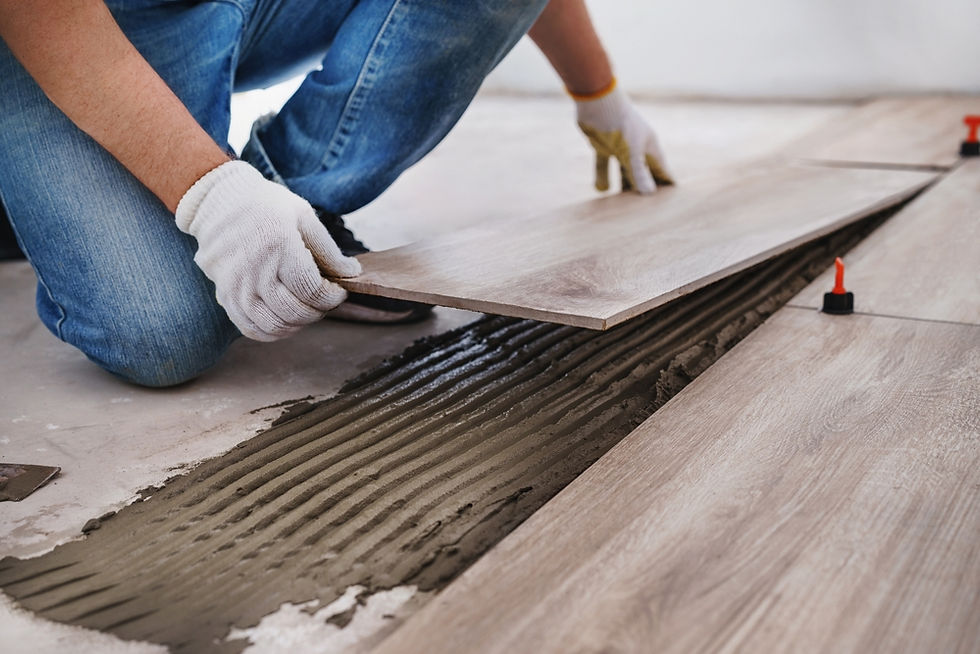
Wide planks typically 180mm and above dominate current trends. These generous widths showcase timber's natural beauty more effectively, with fewer joins interrupting the grain pattern.
Wide planks make spaces feel more expansive and contemporary. They're particularly effective in open-plan living areas where continuity creates visual flow.
Chevron and Herringbone Patterns
Patterned layouts are gaining popularity among homeowners wanting something distinctive. Chevron and herringbone designs add movement and visual interest, transforming floors into genuine design features.
While installation costs are higher due to the complexity involved, the impact is undeniable. These patterns work beautifully in entryways, living rooms, and dining spaces.
How Do You Choose the Best Timber Flooring for Your Home?
Matching Timber to Your Interior Style
Consider your existing décor and colour palette when selecting timber. Warm-toned timber complements earthy, natural interiors, while cooler, grey-washed options suit contemporary, minimalist spaces.
Don't forget to think about your furniture and cabinetry. The right timber choice should enhance these elements rather than compete with them.
High-Traffic Areas and Family-Friendly Options
Households with children, pets, or heavy foot traffic need harder-wearing species. Australian hardwoods like spotted gum rank highly on the Janka hardness scale, making them excellent choices for busy homes. Consider finishes too matte and satin options hide scratches better than high-gloss alternatives.
Budget Considerations Without Compromising Quality
Set a realistic budget that includes installation costs, not just materials. Remember that cheaper options may cost more in the long run if they require earlier replacement.
Look for quality mid-range options that balance affordability with durability. Sometimes spending slightly more upfront saves money over time.
Matte Finishes vs Glossy: What's More Popular?
The Shift Towards Natural Matte Looks
Matte finishes currently lead the popularity stakes. They create a natural, understated appearance that complements contemporary interiors beautifully. Matte floors feel more authentic, letting the timber's character shine through.
Low-Maintenance Finish Options
Beyond aesthetics, matte finishes are wonderfully practical. They hide dust, footprints, and minor imperfections far better than glossy alternatives. For most families, this translates to less frequent cleaning and greater peace of mind.
How Long Does Timber Flooring Last?
Lifespan of Different Timber Types
An extremely high-quality hardwood floor can last between 80-100 years if maintained properly. Same as the engineered timber, it lasts for about 25-30 years but may go beyond this figure with some high-end products. Australian hardwoods are among the best in terms of exceptional longevity.
Maintenance Tips to Extend Floor Life
Routine sweeping, cleaning spills immediately, and using furniture pads will make a significant difference. Professional refinishing will make the floor fresh every 10 to 15 years and will significantly extend the life of the floor.
Investing in Timber Flooring That Stands the Test of Time
Timber flooring is one of the most sensible investments one could make in his or her house. Our trends-warm natural tone and wide planks to using sustainable sources and matte finishes-reflect the way the market is heading with an eye for beauty and responsibility in the same breath.
It is timber that stands out mostly, continuing to evolve without losing its classic appeal. Whether it's the light, airy feel of blonde oak or that dramatic, sophisticated dark timber, there has never been so much choice available. And there's even more emphasis on sustainability, so decisions can be had that benefit both home and earth.
The ideal timber flooring is the one that does all fit well with your lifestyle and budget and with your aesthetical choices. Take your time with these options, get samples, and don't hesitate to ask for professional advice. Your floors are the bases of interior design; get them right, and you create a home you will enjoy living in for many years.
Yet there have been much embroidery qualities, the way the best timber flooring is calculated by leaves hanging from your ceiling, such as affordability and taste. Whichever option you choose, fine timber flooring really pays you an investment.


Comments