


What to Expect During an Interlock Device Installation Appointment


Have you recently been told you need an alcohol interlock device Installation to your vehicle? Feeling a bit nervous about what the installation appointment actually involves? Perhaps you're wondering how long it takes, what you need to bring, or whether the device will affect your car in any way?
In this guide, we'll walk you through everything you need to know about your interlock device installation appointment. From the paperwork you'll need to bring, right through to learning how to use the device correctly, we've got you covered. By the end, you'll know exactly what to expect and feel ready to start your interlock programme with confidence.
What Is an Alcohol Interlock Device and How Does It Work?
The Basic Technology Behind Breathalyser Ignition Systems
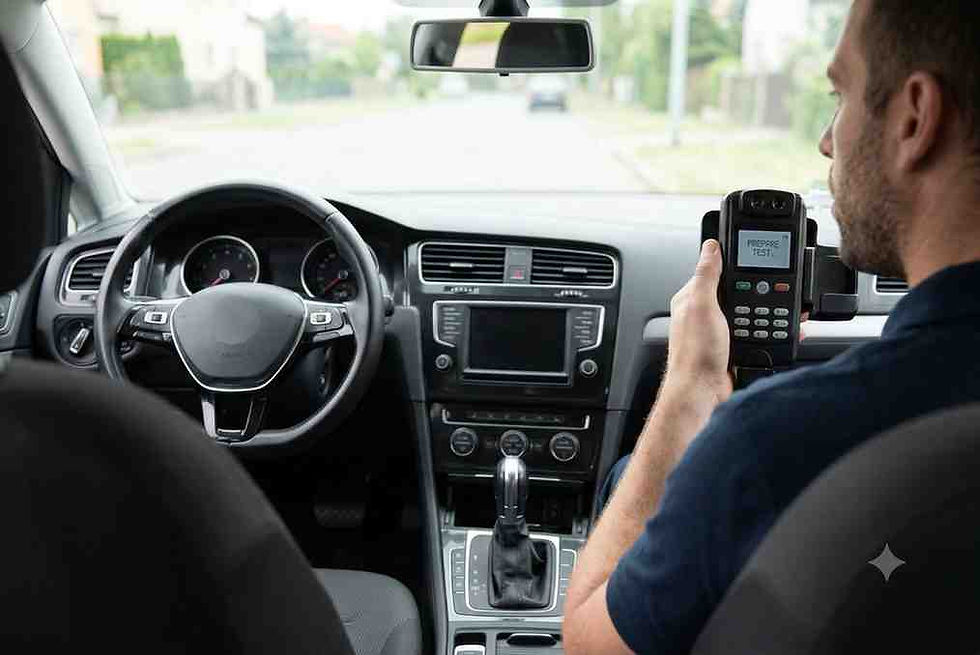
An alcohol interlock device installation is essentially a breathalyser connected to your car's ignition system. Before you can start your vehicle, you need to blow into the device. It then analyses your breath for alcohol content.
If your reading is below the preset limit (usually 0.02% BAC in Australia), the car starts normally. If it detects alcohol above that threshold, the ignition remains locked. It's clever technology designed to prevent drink driving while still allowing you to get on with your life.
Why Courts and Licensing Authorities Require Interlock Device Installation
Courts and licensing authorities across Australia use interlock programmes as an alternative to complete licence disqualification. Rather than taking away your ability to drive entirely, they allow you to keep driving—provided you prove you're sober each time.
This approach recognises that most people need to drive for work, family commitments, and daily life. It's about rehabilitation and safety, not just punishment.
Preparing for Your Interlock Installation Appointment
Documents and Information You Need to Bring
Before your appointment, gather all the necessary paperwork. You'll typically need your interlock licence or permit, along with photo identification. Bring your vehicle registration documents and any paperwork from the court or licensing authority.
Some providers may also require payment upfront, so check beforehand. Having everything ready means your appointment runs smoothly without delays.
How Long Does an Interlock Device Installation Take?
Most installations take between one to two hours. This includes the initial vehicle check, physical installation, calibration, and your training session on using the device.
Plan to set aside a whole morning or afternoon. While two hours is typical, some vehicles may take longer depending on their make and model. Your provider will give you a better estimate when you book.
Can Someone Else Drive My Car to the Installation Appointment?
Absolutely! If you don't currently have a valid licence, someone else can drive your vehicle to the appointment. Just make sure they're properly licensed and insured to drive your car.
This is a common situation, so don't feel awkward about it. The technicians see it all the time.
Step-by-Step: What Happens During the Installation Process
Initial Vehicle Assessment and Inspection
When you arrive, a technician will first inspect your vehicle. They're checking that it's suitable for installation and noting its current condition.
This assessment protects both you and the service provider. They'll document any existing issues so there's no confusion later about what was already there before installation.
The Physical Installation of Your Interlock Device Installation
Next comes the actual installation. The technician will connect the interlock device installation to your vehicle's ignition system. This involves some wiring work, but it's all done professionally and neatly.
Don't worry—they won't damage your dashboard or leave a mess of wires everywhere. Modern installations are clean and relatively unobtrusive.
System Calibration and Testing
Once installed, the device needs calibrating. The technician will test it multiple times to ensure it's reading accurately and communicating properly with your ignition.
They'll also check that everything works as expected—the device powers on, accepts breath samples, and either allows or prevents ignition based on the results.
Where Is the Interlock Device Installed in the Car?
The main unit typically sits beneath your dashboard or in a discreet location. The handheld mouthpiece—the part you blow into—connects via a cord and can be stored conveniently when not in use.
The camera (yes, most devices have one) usually mounts on your windscreen or dashboard. It photographs you during each test to verify you're the one providing the sample.
Learning to Use Your Interlock Device Installation Correctly
How Do You Blow Into an Interlock Device Installation Properly?
This is something you'll practise during your appointment. You need to provide a steady, continuous breath for several seconds. Think of it like blowing out candles on a birthday cake—firm and sustained.
The technician will show you exactly how to do it and let you practise until you're comfortable. Most people get the hang of it within a few attempts.
Understanding Rolling Retests While Driving
Here's something that catches people off guard: the device will ask for random retests while you're driving. These are called rolling retests, and they're completely normal.
When prompted, you'll have a few minutes to safely pull over and provide another breath sample. Don't panic—you've got time. The device won't suddenly cut your engine if you're slow to respond.
What Happens If You Fail a Breath Test on Your Interlock?
If you fail a test, the car won't start. You'll need to wait a set period (usually a few minutes) before trying again. Multiple failures trigger a longer lockout period.
All results—passes and fails—are recorded and reported to the relevant authorities. Consistent failures will have consequences for your interlock programme, so it's crucial to never attempt driving after drinking.
Common Concerns and Questions About Interlock Device Installation
Will the Interlock Device Installation Damage My Vehicle?
No, a professionally installed device won't damage your car. The installation is reversible, and when your programme ends, the device is removed without trace.
Your vehicle's warranty shouldn't be affected either, though it's worth checking with your manufacturer if you're concerned.
Can You Drive Any Car With an Interlock Licence?
Generally, no. With an interlock licence, you're only permitted to drive vehicles fitted with an approved interlock device installation. This means you can't simply jump into a friend's car.
Some exemptions exist for work vehicles in certain circumstances, but these need prior approval. Always check the specific conditions of your licence.
What Foods or Products Can Trigger a False Positive?
Certain products can cause temporary false readings. Mouthwash, breath fresheners, and some medications contain alcohol. Even very ripe fruit or energy drinks have triggered false positives.
Wait at least 15 minutes after eating, drinking, or using any oral products before testing. If you get an unexpected fail, rinse your mouth with water and wait before retesting.
After Your Installation: What Comes Next?
Service and Calibration Appointments
Your device requires regular servicing—typically every 28 to 60 days, depending on your state's requirements. During these appointments, technicians download your data, recalibrate the device, and check everything's working properly.
Missing service appointments can result in your device locking you out, so keep track of your schedule.
How Long Do You Need to Keep an Interlock Device Installed?
Programme lengths vary based on your offence and state regulations. Most programmes run between six months and several years.
Successful completion requires meeting all programme conditions, including zero or minimal violations. The sooner you demonstrate responsible behaviour, the sooner you'll complete the programme.
Starting Your Interlock Programme With Confidence
Getting an interlock device installation might feel like a significant moment, but it's genuinely a manageable process. The appointment itself is straightforward—arrive prepared with your documents, allow a couple of hours, and you'll leave knowing exactly how to use your device.
The key to success is approaching your interlock programme with the right mindset. This device isn't there to make your life difficult. It's giving you the opportunity to keep driving while demonstrating you can be trusted on the roads. Thousands of Australians complete their programmes successfully every year.


Comments