


Why Safety Barriers Melbourne Are Essential for Modern Commercial Properties

Have you ever walked through a busy warehouse and felt a shiver run down your spine as a forklift zoomed past? Or perhaps you've wondered what's stopping heavy machinery from causing chaos in industrial settings? What really separates a well-managed commercial property from a potential accident waiting to happen?
These questions aren't just idle curiosity—they're at the heart of workplace safety across Melbourne's thriving commercial sector. Safety barriers have become the unsung heroes of modern business environments, quietly protecting workers, visitors, and valuable assets every single day. From bustling distribution centres in the western suburbs to manufacturing plants dotted throughout the industrial hubs, these protective systems are transforming how Melbourne businesses approach workplace safety.
What Are Safety Barriers and How Do They Protect Commercial Properties?
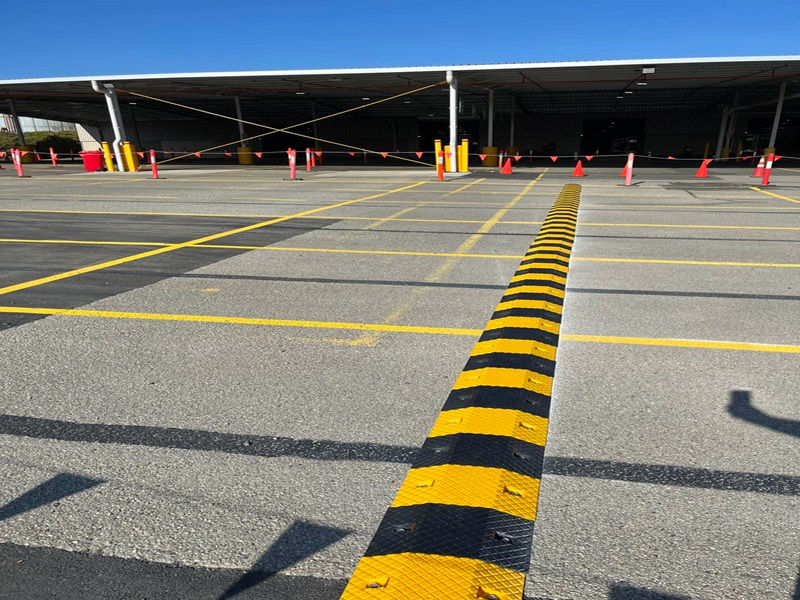
Safety barriers are physical structures designed to separate people, vehicles, and equipment within commercial and industrial environments. Think of them as the traffic lights of your workplace—they create order, define boundaries, and prevent potentially dangerous interactions between different elements of your operation.
Types of Safety Barriers Used in Melbourne Workplaces
Melbourne businesses typically choose from several barrier categories, each suited to different applications. Steel barriers offer maximum protection against heavy impacts, making them ideal for areas with forklift traffic. Polymer barriers provide flexibility and are perfect for moderate-risk zones where some give is beneficial. Bollards protect specific points like building corners and doorways, whilst guardrails create continuous protection along walkways and mezzanine edges.
Beyond these, you'll find mesh barriers for machine guarding, handrail systems for pedestrian routes, and modular barriers that can be reconfigured as your needs change. Each type serves a specific purpose, and many Melbourne properties use a combination to address various risks throughout their facilities.
Why Are Safety Barriers Important for Warehouses and Industrial Sites?
Warehouses and industrial facilities present unique challenges. Heavy vehicles, moving machinery, and pedestrians all share the same space, creating countless opportunities for things to go wrong. Safety barriers address these challenges head-on.
Protecting Pedestrians from Forklift Traffic
Forklift-pedestrian incidents remain one of the most common causes of serious workplace injuries in Australia. The stats are sobering—forklifts can weigh several tonnes and operators often have limited visibility. Safety barriers create dedicated pedestrian routes that physically separate foot traffic from vehicle areas.
These protected walkways give workers confidence to move through facilities without constantly looking over their shoulders. They also help forklift operators focus on their tasks without worrying about unexpected pedestrians appearing in their path. It's a win-win that improves safety and productivity simultaneously.
Legal Requirements: Are Safety Barriers Mandatory in Australian Workplaces?
Here's the thing—workplace safety isn't optional in Australia. Whilst the specific requirements around barriers vary depending on your industry and operations, the overarching obligations are clear and enforceable.
Understanding Victorian Workplace Health and Safety Regulations
Victoria's Occupational Health and Safety Act requires employers to provide and maintain a working environment that's safe and without risks to health. This broad duty of care often translates into specific requirements for physical barriers in areas where workers could be exposed to hazards.
WorkSafe Victoria provides detailed guidance on traffic management, machine guarding, and fall prevention—all areas where barriers play a crucial role. The regulations don't always mandate specific barrier types, but they do require you to implement controls that effectively manage identified risks. In many cases, physical barriers represent the most practical and reliable solution.
What Are the Benefits of Installing Safety Barriers in Commercial Properties?
The benefits extend well beyond basic compliance. Smart Melbourne businesses recognise that safety barriers deliver genuine returns on investment across multiple areas.
Reducing Workplace Injuries and Liability Claims
Every workplace injury comes with direct costs—medical expenses, compensation payments, and lost productivity. Then there are the indirect costs: investigating the incident, retraining staff, and managing the emotional impact on your team. Safety barriers dramatically reduce the likelihood of incidents occurring in the first place.
Improving Traffic Flow and Operational Efficiency
Counterintuitively, adding physical restrictions often improves overall movement through your facility. Clearly defined routes eliminate confusion and hesitation. Workers and vehicles move more confidently when they understand exactly where they should be. This clarity translates directly into improved productivity and reduced congestion.
How Much Do Safety Barriers Cost in Melbourne?
Pricing varies significantly based on your specific requirements, but understanding the key cost factors helps you budget appropriately.
Factors That Influence Safety Barrier Pricing
Material choice significantly affects cost—steel barriers generally cost more than polymer alternatives but offer superior impact resistance. Length of coverage, installation complexity, and any customisation requirements also influence pricing. Don't forget ongoing maintenance costs when comparing options.
Comparing Installation Costs vs Long-Term Savings
A quality barrier system might seem like a significant investment upfront, but consider the alternative costs: injury claims, equipment repairs, regulatory fines, and increased insurance premiums. Most Melbourne businesses find that proper safety barriers deliver positive returns within one to two years, making them a smart financial decision alongside their safety benefits.
Choosing the Right Safety Barrier System for Your Melbourne Business

Selecting appropriate barriers requires careful consideration of your specific environment, risks, and operational needs.
Steel vs Polymer Barriers: Which Is Best for Your Property?
Steel barriers excel in high-impact environments where maximum protection is essential. They're ideal for heavy vehicle areas and protecting critical infrastructure. Polymer barriers offer advantages in areas with moderate risks—they're lighter, easier to install, and absorb impacts without damaging vehicles. Many facilities use both types in different zones.
Custom Solutions for Unique Commercial Spaces
Not every space fits standard barrier configurations. Melbourne suppliers offer custom fabrication to address unusual layouts, specific aesthetic requirements, or unique operational challenges. Don't compromise on safety because an off-the-shelf solution doesn't quite work—explore customised options that properly address your needs.
Investing in Safety Barriers for a Safer, More Productive Workplace
Throughout this guide, we've explored why safety barriers have become essential for Melbourne's commercial properties. From protecting workers against forklift incidents to meeting regulatory requirements and safeguarding valuable equipment, the benefits are clear and compelling.
The bottom line is this: safety barriers represent one of the smartest investments any commercial property can make. They protect your people, your assets, and your business from potentially devastating incidents. In an environment where workplace safety expectations continue to rise, proactive investment in quality barrier systems positions your business for long-term success.


Comments