


Expert Eye Care and Vision Testing from an Optometrist

When did you last have your eyes properly checked? Can you remember the last time you sat in that chair, reading letters off a chart? And here's the big one – are you absolutely certain your vision is as sharp as it should be?
Most of us take our eyesight for granted until something goes wrong. We squint at screens, rub our tired eyes, and convince ourselves that headaches are just stress-related. But the truth is, regular eye care from a qualified optometrist can catch problems before they become serious. Whether you're searching for optometry services in Melbourne or looking for an optometrist in regional areas like Wonthaggi, Cranbourne, or Warragul, understanding what goes into proper eye care matters more than you might think.
In this guide, we'll walk you through everything you need to know about eye exams and vision testing. You'll discover the difference between optometrists, ophthalmologists, and opticians – because yes, they're all different! We'll explore what happens during a comprehensive eye check-up, when you should book an optometrist appointment, and how to read that mysterious eye doctor prescription. Plus, we'll cover advanced eye care services available across Australia, from Footscray to Mandurah, Coburg to Kenmore. Ready to see things more clearly? Let's get started.

Understanding Optometry: Your Complete Guide
What Exactly Is Optometry?
Optometry is the healthcare profession focused on examining, diagnosing, and treating eye conditions. It's far more than just figuring out whether you need glasses. Qualified optometrists assess your overall eye health, detect diseases, and prescribe corrective lenses or treatments.
Think of optometry as preventive healthcare for your eyes. When you visit a practice like Central Park Optical, Monocle Optometry, or Clearview Burwood, you're investing in long-term vision health. These professionals use specialised equipment to examine every part of your eye, from the front surface to the retina at the back.
Are Optometrists Doctors? Understanding the Qualifications
This question pops up constantly: are optometrists doctors? The short answer is yes, in a specific sense. Optometrists hold a Doctor of Optometry degree and complete extensive university training – typically five years in Australia. They're registered healthcare practitioners who can diagnose conditions, prescribe medications, and refer patients for surgery when needed.
However, they're not medical doctors (MDs). They specialise exclusively in eye care rather than general medicine. This focused expertise means they're incredibly skilled at what they do.
Are Opticians Doctors? The Key Differences Explained
Here's where it gets confusing for many people. Are opticians doctors? No, opticians aren't doctors. They're trained technicians who fit and dispense glasses and contact lenses based on prescriptions written by optometrists or ophthalmologists.
So what's the difference between all three? An ophthalmologist is a medical doctor specialising in eye surgery and complex conditions. An optometrist handles primary eye care, examinations, and prescriptions. An optician makes and fits your eyewear. When booking your eye appointment, an optometrist is typically your first port of call for routine care and check-ups.
What Happens During an Eye Exam?
Step-by-Step: Your Comprehensive Eye Check-Up
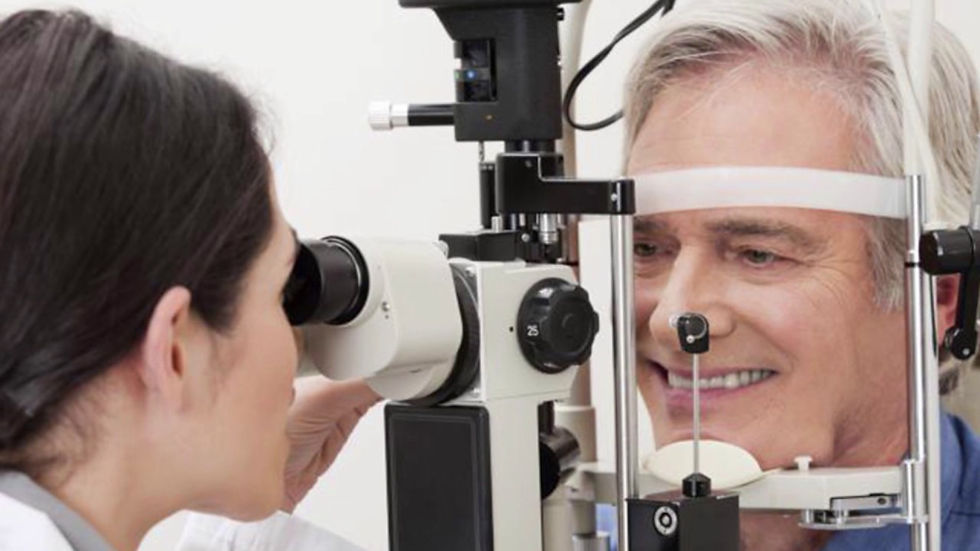
Walking into an eye check-up in Melbourne or anywhere else can feel daunting if you don't know what to expect. First, your optometrist will ask about your medical history, current medications, and any vision concerns. This conversation helps them tailor the examination to your needs.
Next comes a series of tests. You'll read letters from a chart to measure visual acuity. The optometrist will shine lights into your eyes, check your peripheral vision, and assess how your eyes work together. They might dilate your pupils for a better view of your retina. Modern practices like Eyemax Optical, See Eyecare, and Ascot Vale Eyecare use advanced technology to capture detailed images of your eyes.
How Long Does an Eye Exam Take?
A thorough eye exam typically takes between 20 and 45 minutes. More complex assessments or additional testing might extend this slightly. It's time well spent considering the valuable information gathered about your eye health.
What Can an Optometrist Detect Beyond Vision Problems?
Here's something surprising – your eyes can reveal signs of broader health issues. During an examination, optometrists at practices like Boroondara Eye Care or Casey Optometrist can spot early indicators of diabetes, high blood pressure, and even certain cancers. Your eyes provide a unique window into your overall health, making regular check-ups doubly important.
When Should You Book an Optometrist Appointment?
Warning Signs You Shouldn't Ignore
Certain symptoms demand immediate attention. Sudden vision changes, persistent headaches, eye pain, flashes of light, or floating spots all warrant a prompt optometrist appointment. Don't wait and hope these issues resolve themselves.
Gradual changes are trickier to notice. If you're squinting more often, holding books at arm's length, or struggling with night driving, book an appointment with your local optometrist – whether that's Optika Optometrist in the city or Warragul Optical in regional Victoria.
How Often Do You Really Need an Eye Exam?
Adults with healthy eyes should have an examination every two years. If you're over 65, have diabetes, or wear corrective lenses, annual check-ups are recommended. Children need their first eye exam at around three years old, then regularly throughout their school years.
Children's Eye Care: When to Schedule Their First Visit
Kids often can't articulate vision problems. They assume everyone sees the way they do. Early detection of issues like lazy eye or focusing problems makes treatment far more effective. My Optometrist locations and dedicated children's eye care services make these appointments easy and stress-free for little ones.
Finding Quality Eye Care in Your Area
What to Look for in an Optometry Practice
Quality matters when choosing an eye care optometrist. Look for practices with modern equipment, experienced staff, and positive reviews. Consider whether they offer comprehensive services or specialise in areas you need, such as contact lens fitting or children's eye care.
Convenient location and appointment availability also matter. Whether you prefer Claremont Optical in Perth, Optometrist Mandurah in Western Australia, or Advanced Eye Care closer to home, finding a practice that fits your lifestyle increases the chances you'll attend regular check-ups.
Optometry Services Available Across Melbourne and Beyond
Melbourne residents enjoy excellent access to optometry services. From Optometrist Footscray to Optometrist Coburg, urban areas are well-serviced. Eye C Optometry and similar practices offer everything from basic examinations to complex condition management.
Regional accessibility has improved significantly too. Optometrist Wonthaggi services the Bass Coast community, while Kenmore Optometrist covers Brisbane's western suburbs. No matter where you live, quality eye care is increasingly within reach.
Understanding Your Eye Doctor Prescription
How to Read Your Prescription
Your eye doctor prescription might look like alphabet soup at first glance. The key abbreviations are OD (right eye) and OS (left eye). Numbers indicate the lens power needed to correct your vision. Negative numbers suggest short-sightedness, while positive numbers indicate long-sightedness.
Taking Your Prescription to an Eyeglass Appointment
Once you have your prescription, you're free to take it anywhere for your eyeglass appointment. You might return to the same practice or shop around. Just make sure your prescription is current – they typically remain valid for two years in Australia.
Advanced Eye Care Services and Technology
Modern optometry has evolved dramatically. Digital retinal imaging, optical coherence tomography (OCT), and computerised visual field testing provide incredibly detailed information about eye health. These technologies help detect conditions earlier and monitor changes over time with precision.
Specialised services now include myopia control for children, dry eye clinics, and orthokeratology – wearing special lenses overnight to correct vision during the day. The future of optometry in Australia looks bright, with telehealth consultations and artificial intelligence-assisted diagnostics becoming increasingly common.
Making the Most of Your Eye Appointment
How to Prepare for Your Visit
Bring your current glasses or contact lenses, a list of medications, and your Medicare card. Note down any questions or concerns beforehand. If you've had previous eye conditions, bring relevant documentation.
Questions to Ask Your Optometrist
Don't be shy about asking questions. Enquire about screen time habits, protective eyewear for sports, or whether blue light filtering lenses are worthwhile. Your optometrist wants you informed and comfortable.
Medicare and Private Health: What's Covered?
Medicare covers a portion of optometry consultations every two years for adults. Private health extras often contribute towards frames and lenses. Check your specific coverage before your appointment to understand out-of-pocket costs.
Prioritising Your Vision Health
Your eyes work incredibly hard every single day. They deserve proper care and attention from qualified professionals who can spot problems early and keep your vision sharp for years to come.
We've covered a lot of ground here – from understanding what optometrists do and how they differ from opticians and ophthalmologists, to navigating your first eye exam and making sense of prescriptions. Whether you're visiting a suburban practice like Ascot Vale Eyecare or travelling to see specialists in regional areas, the fundamentals remain the same: regular check-ups catch issues early.
Don't wait until you're struggling to read street signs or experiencing headaches. Book that eye appointment you've been putting off. Your future self will thank you for taking action today. After all, protecting your vision is one of the best investments you can make in your overall health and quality of life.



Comments